The video titled "How Europe is Replacing China and the US | Business Beyond" by DW News explores the major shifts in global trade as the European Union actively pursues new trade partnerships and mega-de
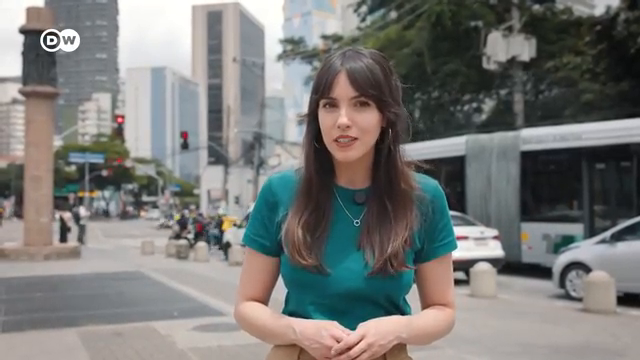
The video titled "How Europe is Replacing China and the US | Business Beyond" by DW News explores the major shifts in global trade as the European Union actively pursues new trade partnerships and mega-de
als across Asia and South America to reduce its economic dependence on both China and the United States [00:00].
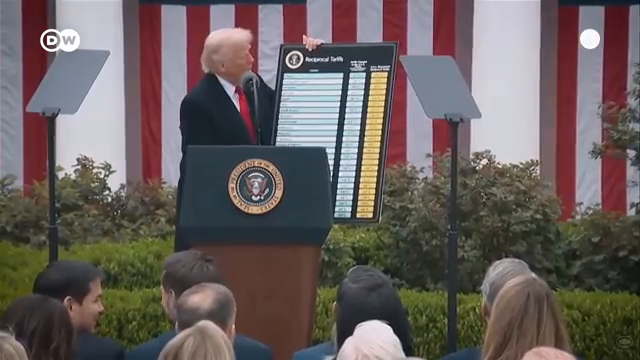
The Trigger and Geopolitical Shift: Driven by supply chain disruptions, tariff policies unl
eashed by the US administration in 2025, and a need to reduce heavy reliance on China, the EU has engaged in a major deal-signing spree [00:00]. This recalibration represents Europe's quest to claw back g
eopolitical clout and secure essential resources amidst rising global rivalries [00:47].
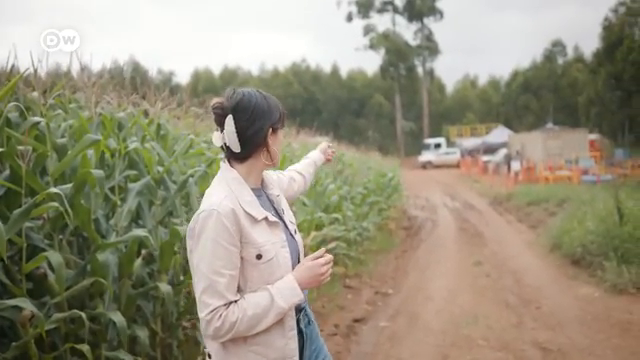
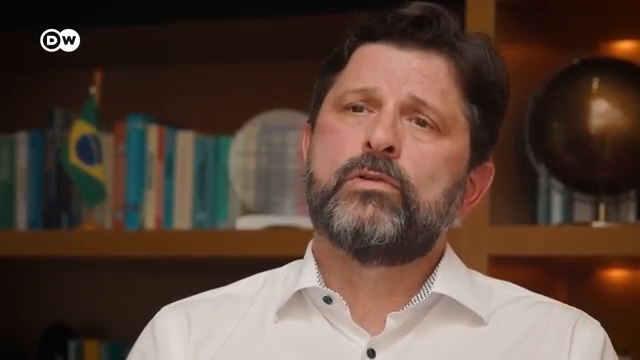
Critical Raw Materials in Brazil: A prime example of this strategy is the EU's trade mega-deal with the Mercosur bl
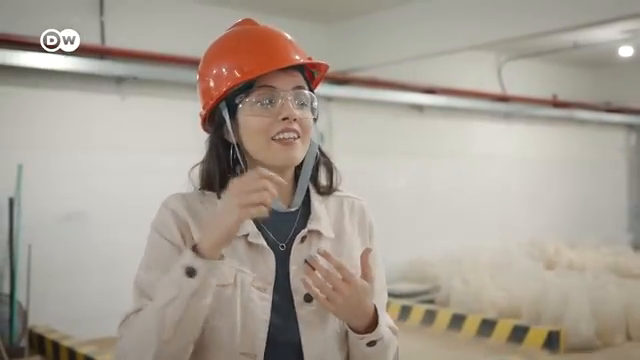
oc (which includes four South American states) [01:41]. In southeastern Brazil, exploratory drilling by firms like Meteoric has uncovered massive rare earth metal deposits—crucial for magnets used in wind
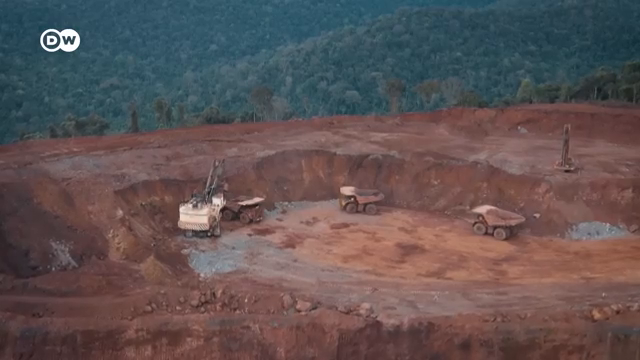
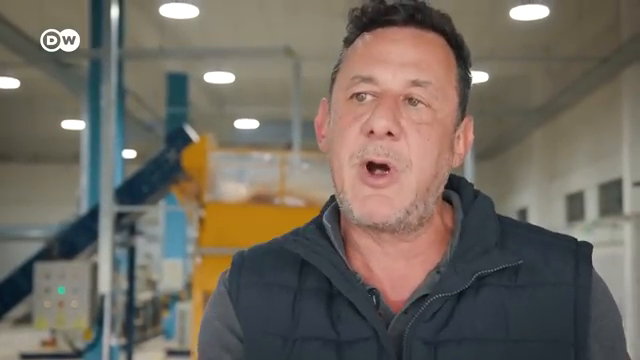
turbines, electric vehicles, missiles, and drones [02:02]. Currently, China dominates this sector, producing 70% of rare earths and 90% of magnets, leaving Western markets vulnerable to pricing pressure
[03:46]. Brazil ranks second in proven rare earth reserves and aims to develop a new Western-aligned market [04:12].
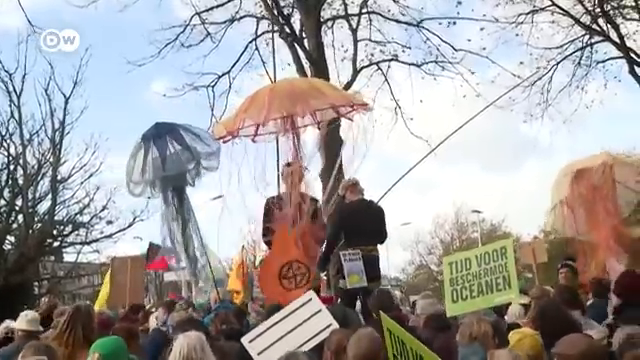
Overcoming Roadblocks and Concessions: Negotiations with Mercosur—as well as similar re
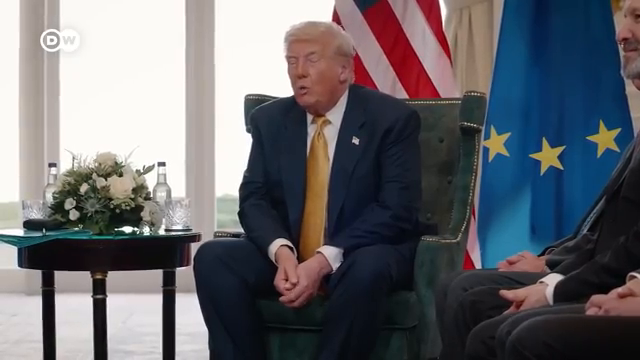
cent pacts with Indonesia and India—faced decades of delays due to disputes over environmental standards, agricultural rules, and fierce opposition from European farmers who feared unfair competition [07:
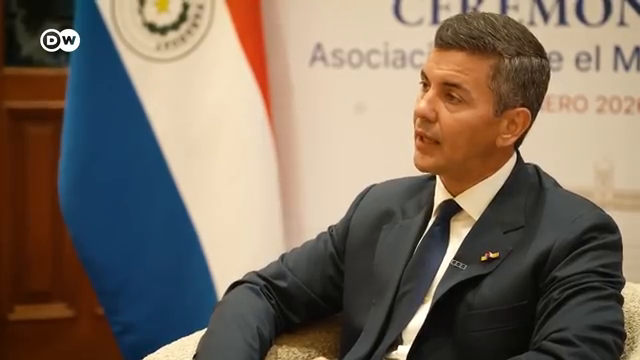
07]. To push these agreements over the line, the EU and the European Commission showed increased flexibility, offering concrete concessions and simplifying regulations to satisfy their free trade partners
[09:04].
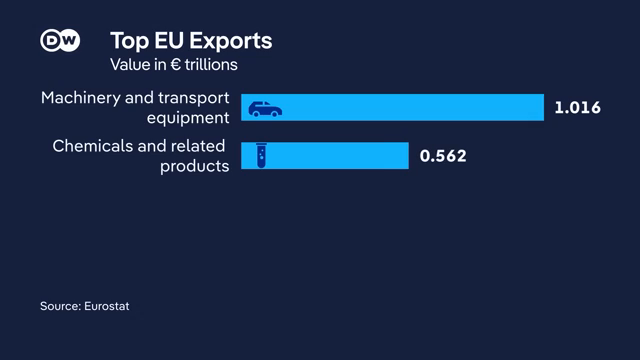
Economic Pressures on European Industry: The EU's share of global GDP has slipped from a quarter in 2005 down to 17.6%, while competitors grew [12:08]. As major manufacturing exports like German
cars face plunging sales in the US and China, European automakers desperately need new customer bases in growing economies like Brazil, India, and Southeast Asia [13:06]. Furthermore, tightening internal

regulations on combustion engines and strong competition from subsidized Chinese electric vehicles make alternative global markets vital for traditional vehicle lifespans [14:06].
Emerging Middle Powers:
Developing countries are increasingly unwilling to act merely as rule-takers, pointing out Western hypocrisy regarding past industries while leveraging their rich resources, young populations, and growin
g economic relevance to demand better terms [15:10]. Despite internal political divisions and protests within the EU, the bloc remains committed to a rules-based multilateral trading system and plans to p

ursue further agreements with regions like Thailand, the Philippines, and the UAE [17:46].
https://www.youtube.com/watch?v=jU8Fn1m6X14
How Europe is Replacing China and the US | Business Beyond
DW News ·
Viewer Discussion & Comments